
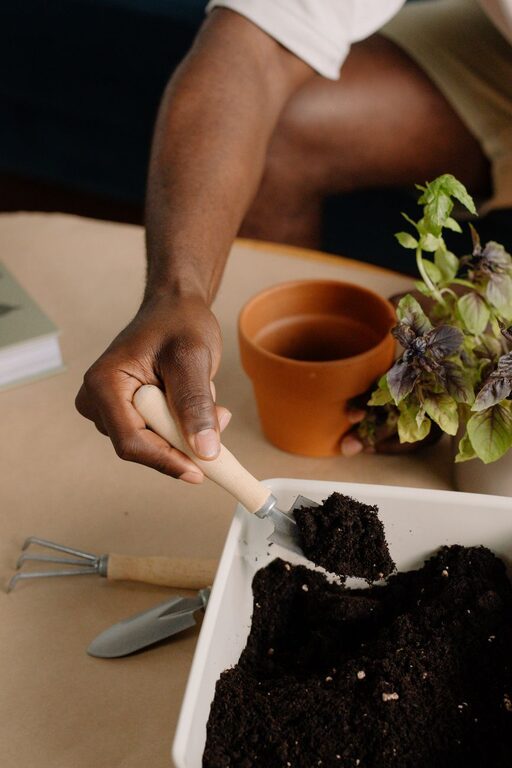
Starting a small herb garden indoors is a wonderful way to enjoy fresh flavors year-round, even if you don’t have outdoor space. Herbs not only enhance your cooking but also add a touch of greenery to your home. Whether you’re a complete beginner or looking to try indoor gardening for the first time, this guide will walk you through the steps to create and maintain a thriving indoor herb garden.
Why Grow Herbs Indoors?
Growing herbs indoors offers several benefits:
– Convenience: Fresh herbs at your fingertips for cooking and garnishing.
– Control: Protect plants from pests and extreme weather.
– Space-saving: Perfect for apartments or homes without garden space.
– Health: Plants improve air quality and add calming greenery to your living environment.
Choosing the Right Herbs
Some herbs are better suited for indoor growing than others. Here are a few popular, easy-to-grow options:
– Basil: Loves bright light and warmth.
– Mint: Hardy and grows quickly, but can spread fast.
– Parsley: Grows well in moderate light.
– Cilantro: Prefers cooler temperatures with plenty of sunlight.
– Thyme: Requires bright light and well-drained soil.
– Chives: Adaptable and good for indirect light.
Choose herbs you frequently cook with or would like to try. Starting with 3-5 herbs keeps your garden manageable.
What You’ll Need
Before planting, gather the following supplies:
– Containers: Small pots with drainage holes work best. Consider ceramic or plastic pots about 4-6 inches in diameter.
– Potting mix: Use a high-quality, well-draining potting soil designed for indoor plants.
– Seeds or seedlings: Seeds are cost-effective but take longer; seedlings provide a head start.
– Grow lights (optional): If you don’t have bright natural light, LED grow lights will help your herbs thrive.
– Watering can or spray bottle: For gentle watering.
Step-by-Step: Starting Your Herb Garden
1. Select a Location
Herbs typically need about 6 hours of sunlight each day. Choose a bright windowsill that faces south or west if possible. If natural light is limited, plan to use grow lights placed 6-12 inches above the plants for 12-16 hours daily.
2. Prepare Your Containers
Make sure your pots have drainage holes to prevent waterlogging, which can cause root rot. Add small pebbles or broken pottery pieces at the bottom to improve drainage if desired.
3. Fill with Potting Mix
Fill each pot with fresh potting mix, leaving about an inch of space at the top. Avoid using garden soil, as it can compact and hinder root growth indoors.
4. Plant Your Herbs
– From seeds: Follow the seed packet instructions. Usually, sprinkle seeds on the soil surface and cover lightly.
– From seedlings: Gently loosen roots and plant seedlings at the same soil depth they were in their nursery pots.
Water gently after planting.
5. Watering
Herbs like consistently moist but not soggy soil. Check soil moisture daily by sticking your finger about an inch deep; water when it feels dry. Overwatering can harm your plants, so ensure pots drain properly.
6. Provide Adequate Light
Place your herb garden where it gets enough sunlight or set up grow lights on a timer. Rotate pots regularly to encourage even growth.
7. Maintain Your Garden
– Fertilize: Use a balanced, water-soluble fertilizer every 4-6 weeks to promote healthy growth.
– Prune: Regularly pinch off leaves to encourage bushier growth and prevent flowering.
– Watch for pests: Indoor herbs can attract aphids or spider mites. Wipe leaves gently or use mild insecticidal soap if needed.
Tips for Success
– Start small. Growing a few herbs well is better than many struggling plants.
– Keep humidity levels moderate; indoor air can be dry especially in winter. A small humidifier or a tray of water nearby helps.
– Harvest frequently to enjoy fresh flavors and keep plants healthy.
– Experiment with different herbs to find what grows best in your environment.
Troubleshooting Common Problems
| Problem | Cause | Solution |
|————————-|———————————-|——————————————-|
| Yellow leaves | Overwatering or poor drainage | Reduce watering, check drainage |
| Leggy plants | Insufficient light | Move to brighter spot or add grow lights |
| Wilting or droopy leaves| Underwatering or heat stress | Water thoroughly, shade from direct heat |
| Slow growth | Lack of nutrients or light | Fertilize, increase light exposure |
Conclusion
Starting a small herb garden indoors is a rewarding project that brings freshness and joy to your kitchen and home. With the right herbs, proper care, and a sunny spot, you can enjoy homegrown herbs year-round. Whether you use your herbs in cooking, teas, or for décor, indoor gardening is an enjoyable and sustainable hobby anyone can try.
Happy gardening!