
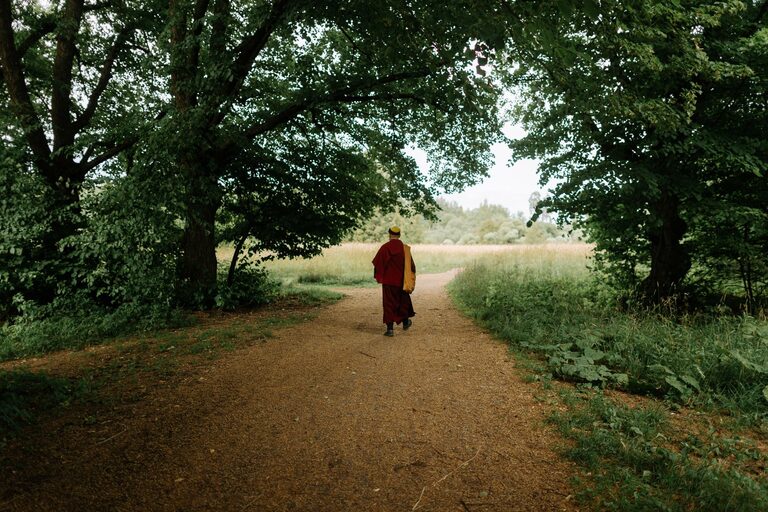
Mindful walking is a simple yet powerful practice that combines movement and awareness. It allows you to connect deeply with your surroundings and your own body while promoting relaxation and mental clarity. If you’re new to mindfulness or looking for an accessible way to practice it, mindful walking might be the perfect place to start.
What Is Mindful Walking?
Mindful walking means paying close attention to the experience of walking. Instead of walking on autopilot or rushing, you focus intentionally on each step, your breath, and the sensations in your body. This practice encourages you to stay present and grounded, helping to reduce stress and increase overall mindfulness in daily life.
Benefits of Mindful Walking
Practicing mindful walking regularly offers several benefits:
– Reduces stress and anxiety: Focusing on the present moment can calm your mind.
– Improves focus and concentration: Training your attention during walking carries over into other areas.
– Enhances physical health: Walking gently engages your muscles and joints.
– Boosts mood: Spending time outdoors combined with mindful awareness can lift your spirits.
– Promotes relaxation: It can serve as a gentle moving meditation that helps release tension.
How to Practice Mindful Walking: Step-by-Step Guide
You don’t need any special equipment or a complicated routine to start mindful walking. Here’s a simple approach:
1. Choose Your Walking Spot
Pick a quiet place where you feel safe and comfortable. It could be a park, a quiet street, a garden, or even your own backyard. You don’t need a long path; a small loop or just walking back and forth works well.
2. Start with a Few Deep Breaths
Before you begin walking, stand still for a moment. Take three to five slow, deep breaths. Notice how the air feels as it enters and leaves your body. This prepares your mind and body for the practice.
3. Walk Slowly and Steadily
Begin walking at a slower-than-usual pace. There’s no need to hurry. Focus on the movement of your feet and legs. Feel how your heel touches the ground, how your weight shifts, and how your toes lift.
4. Pay Attention to Sensations
As you walk, observe physical sensations such as:
– The pressure of your feet on the ground
– The movement in your ankles, knees, and hips
– The rhythm and pace of your steps
Don’t try to change anything; just notice how it feels.
5. Notice Your Breath
Try to coordinate your breath with your steps if that feels natural. For example, breathe in for three steps and breathe out for three steps. Let your breathing be gentle and relaxed.
6. Observe Your Surroundings
Use your senses to take in the environment intentionally:
– Listen to the sounds around you (birds, wind, footsteps)
– Feel the temperature on your skin
– Notice colors, shapes, and movements around you
– Smell natural scents like flowers or fresh air
7. Gently Redirect Your Mind
It’s normal for your mind to wander. Whenever you notice your thoughts drifting away, gently bring your attention back to your walking and breathing without judgment.
8. End with Stillness
After about 5 to 15 minutes (or longer if you prefer), stop walking and stand still again. Take a few deep breaths and observe how you feel physically and mentally. This moment of stillness helps you transition back to your day calmly.
Tips for Beginners
– Start small: Begin with just 5 minutes and gradually increase the time as you feel comfortable.
– Consistency matters: Try to practice mindful walking daily or a few times per week.
– Wear comfortable shoes: You don’t have to be barefoot, but choose shoes that feel good.
– Practice indoors if needed: If the weather is bad, walk slowly around your home with the same mindful approach.
– Be kind to yourself: There’s no right or wrong way; mindfulness is about awareness, not perfection.
Common Challenges and How to Overcome Them
– Restlessness or impatience: If you feel restless, remind yourself this is part of the learning process. Adjust your pace or take breaks if needed.
– Distracting thoughts: Instead of fighting distractions, acknowledge them and gently return your focus to walking.
– Physical discomfort: Modify your walking speed or route if you experience pain or discomfort.
Integrating Mindful Walking into Your Daily Life
Mindful walking doesn’t have to be a formal practice only. You can bring mindfulness into everyday activities like walking to your car, going up stairs, or strolling during a break at work. The more you practice, the easier it becomes to carry calm awareness into various parts of your day.
Sample Mindful Walking Practice Routine
– Day 1-3: Walk for 5 minutes focusing on your breath and feet.
– Day 4-7: Increase to 10 minutes, include noticing your surroundings.
– Week 2 and beyond: Practice 15 minutes or more, and try to walk in different locations.
Final Thoughts
Mindful walking is an accessible and enjoyable way to cultivate mindfulness while moving. It encourages you to slow down, appreciate the present moment, and connect with your body and environment. Whether you have a busy schedule or prefer gentle exercises, mindful walking can fit into your routine and enhance your well-being.
Give it a try today and take your first mindful steps toward greater calm and awareness!