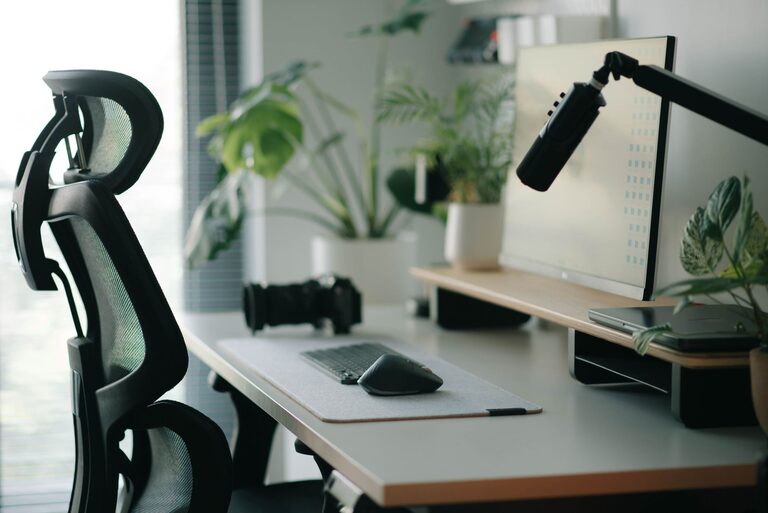
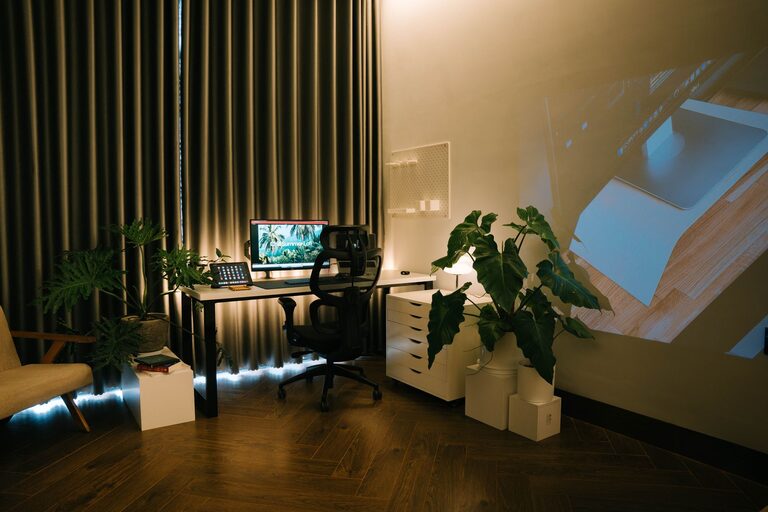
Creating a relaxing home workspace is essential for maintaining focus and productivity, especially when many people spend hours working remotely. A comfortable and calming environment can reduce stress and make your workday more enjoyable. Whether you have a dedicated room or just a small corner, you can design a workspace that helps you stay motivated and relaxed. Here’s how to create a relaxing home workspace with practical tips that anyone can implement.
Why a Relaxing Workspace Matters
Your surroundings affect your mood and concentration. A cluttered or noisy space can increase stress and decrease productivity, while a well-organized and serene area encourages clear thinking and creativity. Comfort also plays a big role—if you’re physically uncomfortable, it’s hard to focus.
Choosing the Right Location
Find a Quiet Spot
Select a place in your home where you can work with minimal distractions. If possible, choose a room with a door to separate your work from your personal life. If space is limited, a corner in a quiet room works well.
Natural Light Is Key
Position your desk near a window to take advantage of natural light. Sunlight helps regulate your body clock and improves your mood. Avoid glare on your computer screen by placing your desk perpendicular to the window.
Consider Ventilation and Temperature
Make sure the workspace is well-ventilated and has a comfortable temperature. Fresh air and moderate warmth help you stay alert and focused.
Comfortable and Functional Furniture
Invest in a Good Chair
A supportive chair is crucial to prevent back and neck pain. Look for an adjustable chair with good lumbar support. Even if you spend hours at your desk, a comfortable chair will make a big difference.
Choose the Right Desk
Your desk should be spacious enough for your computer, notebooks, and any other tools you use. Adjustable desks that allow you to switch between sitting and standing positions can be a healthy choice.
Organize with Storage Solutions
Use shelves, drawers, or desk organizers to keep your workspace tidy. Knowing where everything is reduces stress and saves time.
Personalize Your Space Thoughtfully
Add Calming Colors
Colors impact how you feel. Soft blues, greens, or neutral tones create a calming atmosphere. Avoid overly bright or harsh colors that might distract you.
Bring Nature Indoors
Plants improve air quality and add a touch of tranquility. Choose low-maintenance plants like succulents or spider plants for your desk.
Include Inspiring Decor
Add a few personal touches like photos, artwork, or motivational quotes. These can boost your mood but keep them minimal to avoid clutter.
Manage Noise and Distractions
Use Noise-Canceling Headphones
If you can’t control background noise, headphones can help you focus. Listening to soft music or white noise may also improve concentration.
Set Boundaries
Communicate your work hours with family or housemates to minimize interruptions. Using a sign on the door or a specific routine can help signal when you’re busy.
Lighting for Comfort and Productivity
Combine Ambient and Task Lighting
Use a mix of lighting sources to reduce eye strain. A desk lamp with adjustable brightness is useful for focused tasks, while ceiling lights provide overall illumination.
Avoid Screen Glare
Position lighting to prevent glare on screens. Anti-glare screen protectors can also help reduce eye fatigue.
Maintain Cleanliness and Order
Daily Tidying
Spend a few minutes at the end of each day to clear your desk. A clean workspace helps you start fresh the next day.
Declutter Regularly
Remove items you don’t use frequently. Less clutter means less distraction and stress.
Incorporate Break Areas and Movement
Create a Mini Break Zone
If space allows, include a comfortable chair or cushion nearby for short breaks. Changing your environment briefly can refresh your mind.
Stretch and Move
Remember to take breaks to stretch or walk around. Movement helps reduce tension and keeps you energized.
Use Technology Wisely
Manage Notifications
Turn off non-essential notifications during work to stay focused.
Use Productivity Tools
Apps for task management, time tracking, and focus can support your work routine while reducing stress.
Final Thoughts
Designing a relaxing home workspace is about balancing comfort, function, and personalization. By choosing the right location, furniture, lighting, and decor, you create an environment that encourages productivity and wellbeing. Remember to keep your space clean and set boundaries to minimize distractions. A calming workspace not only improves your work performance but also supports your overall mental health.
With these tips, you can transform your home workspace into a peaceful haven that makes work more enjoyable and less stressful. Start small and adjust your environment as you discover what helps you feel most focused and relaxed.